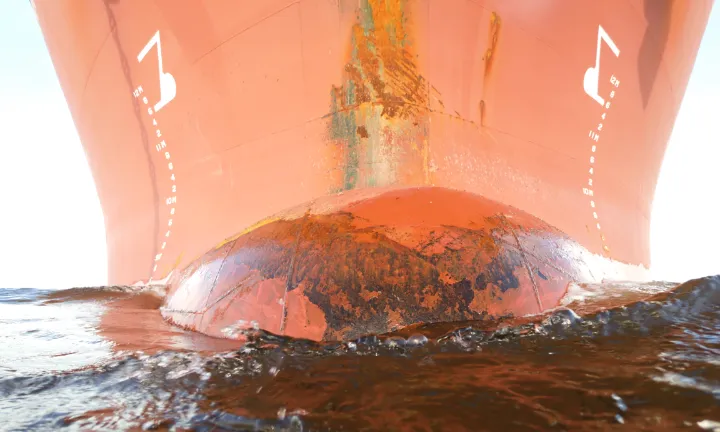
An Underwater Inspection in Lieu of Dry Docking (UWILD) is a class-approved inspection of a vessel's underwater components while the vessel remains afloat. The inspection is performed to assess the condition of critical submerged structures and determine whether they meet operational and regulatory requirements. Classification societies may approve UWILDs for eligible vessels under specific conditions.
The inspection typically focuses on:
The exact inspection requirements vary depending on vessel type, classification society requirements, operating conditions, and maintenance history.
Benefits of Conducting a UWILD
An effective UWILD program provides several advantages:
Reduced Operational Disruption
Dry docking can take a vessel out of service for an extended period. UWILD inspections can often be completed with significantly less disruption to operations.
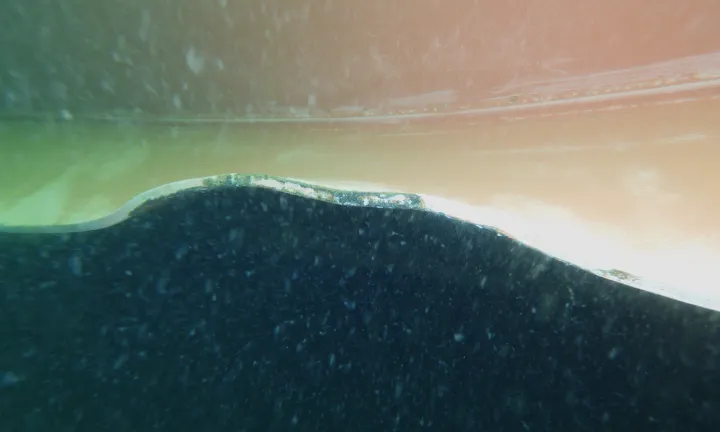
Regular underwater inspections help identify:
Corrosion
Mechanical damage
Coating failures
Hull deformation
Marine growth
Propeller defects
Detecting issues early helps prevent more costly repairs later.
Improved Maintenance Planning
Inspection findings support condition-based maintenance programs, enabling vessel owners to prioritize repairs and allocate resources efficiently.
Support for Compliance
UWILD inspections contribute to meeting classification, regulatory, and operational requirements when conducted according to approved procedures.
Preparing for a Successful UWILD
Proper preparation is one of the most important factors in a successful inspection.
Review Vessel History
Before the inspection begins, review:
Historical information helps focus the inspection on high-risk areas.
Coordinate With Surveyors
Inspection objectives and reporting requirements should be agreed upon in advance with all relevant stakeholders.
Assess Site Conditions
Environmental factors can affect inspection quality, including:
Suitable conditions improve inspection efficiency and accuracy.
Key Areas to Inspect During a UWILD
Hull Structure
The hull is one of the most important inspection areas.
Inspectors should assess:
The condition of the hull directly affects vessel performance and longevity.
Propellers
Propellers should be examined carefully for:
Cracks
Cavitation damage
Bent blades
Surface deterioration
Impact damage
Even minor damage can affect propulsion efficiency and fuel consumption.
Rudders and Steering Components
Inspection should include:
These components are essential for vessel maneuverability and safety.
Sea Chests and Gratings
Sea chests should be checked for:
Obstructions can affect cooling water systems and overall vessel performance.
Sea Valves and Openings
Inspectors should assess the external condition of:
Sea valves
Discharge points
Intakes
Cooling water inlets
Any deterioration should be documented for further evaluation.
Stern Areas and Bearings
Particular attention should be given to:
Stern tube areas
Bearing condition
Seal integrity
Signs of excessive wear
These components play a critical role in propulsion system reliability.
Common Issues Identified During UWILD Inspections
Many underwater inspections reveal recurring issues such as:
Corrosion around welded joints
Damaged protective coatings
Fouling and marine growth
Propeller edge damage
Localized pitting
Mechanical wear
Structural deformation
Addressing these findings early can reduce repair costs and operational risks.
Best Practices for Vessel Owners
To maximize the value of UWILD inspections:
Schedule inspections proactively.
Maintain complete inspection records.
Address deficiencies promptly.
Monitor recurring problem areas.
Integrate inspection findings into maintenance planning.
Work with qualified marine inspection professionals.
Ensure clear communication between inspection teams and surveyors.
Consistent inspection programs help extend vessel life and improve operational reliability.
Conclusion
UWILD inspections have become an important tool for vessel owners seeking to maintain asset integrity while minimizing operational downtime. Through proper planning, systematic inspection procedures, and comprehensive reporting, vessel operators can gain a clear understanding of underwater asset conditions and make informed maintenance decisions.
Whether assessing hull condition, propeller performance, sea chests, rudders, or underwater structural components, a well-executed UWILD contributes to safer operations, improved efficiency, and long-term vessel reliability.
Blue Deep Marine Services provides professional underwater inspection and marine support services for vessel owners, operators, and offshore stakeholders. Our experienced team delivers dependable inspection solutions that help clients maintain safety, compliance, and operational efficiency.
Contact Blue Deep Marine Service
If your vessel is showing any of these warning signs, schedule a professional underwater inspection today. Visit https://bluedeepmarineservice.com/ to learn more about our underwater inspection, hull cleaning, and marine maintenance services.