Why Underwater Inspections Matter
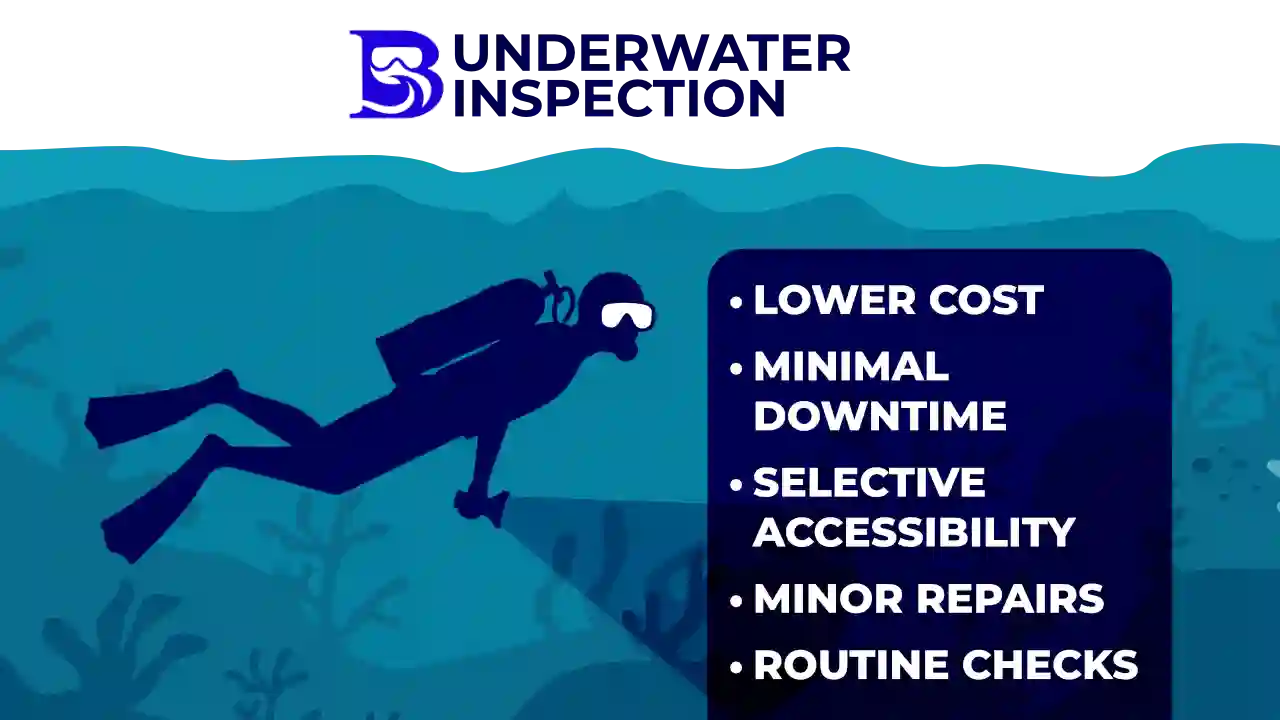
Underwater inspections provide a detailed assessment of submerged vessel structures without requiring immediate dry docking. Professional divers use specialized equipment to inspect critical areas and detect problems that may not be visible during routine operations.
Benefits include:
Improved vessel safety
Reduced fuel consumption
Early detection of corrosion
Better propulsion efficiency
Compliance with classification and regulatory requirements
Reduced maintenance costs
For vessels operating in busy vessel traffic routes, maintaining a clean and structurally sound hull is essential for reliable operations and safe navigation.
One of the most common indicators that your vessel requires an underwater inspection is a sudden increase in fuel usage.
Marine organisms such as algae, barnacles, and mussels can accumulate on the hull, creating additional drag. Even a relatively small amount of biofouling can force engines to work harder, leading to higher fuel consumption and increased operating expenses.
Common Symptoms
Rising fuel costs
Reduced fuel efficiency
Higher engine loads
Increased emissions
An underwater inspection can quickly identify hull fouling and determine whether underwater cleaning is needed.
If your ship struggles to maintain its normal cruising speed despite operating at standard engine settings, underwater issues may be affecting performance.
Potential causes include:
Heavy marine growth
Propeller damage
Hull deformation
Rudder problems
Over time, these conditions increase resistance through the water and negatively affect overall vessel efficiency.
Warning Signs
3. Excessive Vibration or Unusual Noise
Unexpected vibration often signals a problem below the waterline.
Damage to a propeller blade, debris wrapped around a shaft, or underwater impact damage can create imbalances that affect vessel operation.
Possible Causes
Ignoring vibration can result in damage to propulsion systems and increase repair costs. Prompt underwater inspection helps identify the source before further deterioration occurs.
Marine corrosion is one of the leading causes of structural deterioration in vessels.
While signs of corrosion may initially appear above the waterline, submerged sections often experience more severe damage. Protective coatings can deteriorate over time, exposing steel surfaces to saltwater and accelerating corrosion.
Indicators
Professional divers can assess the extent of corrosion and recommend maintenance strategies to protect vessel integrity.
5. Damage Following Grounding or Collision
Even minor contact with submerged objects can cause hidden underwater damage.
After any incident involving:
Grounding
Dock impact
Floating debris
Vessel collision
An underwater inspection should be conducted as soon as possible.
What Inspectors Check
Hull dents
Cracks and fractures
Propeller condition
Rudder alignment
Structural integrity
Detecting damage early can prevent larger structural failures and reduce unplanned downtime.
Warm coastal waters often accelerate biofouling growth.
Barnacles, algae, and other marine organisms can quickly cover underwater surfaces, resulting in increased drag and reduced efficiency.
Effects of Biofouling
Higher fuel consumption
Lower vessel speed
Reduced maneuverability
Increased engine wear
Routine inspections help determine the optimal cleaning schedule and ensure vessel performance remains consistent.
7. Cooling System or Sea Chest Problems
Many vessel operators overlook underwater intake systems until performance issues occur.
Blocked sea chests and intake grates can restrict water flow to essential cooling systems.
Symptoms
Rising engine temperatures
Reduced cooling efficiency
Pump performance issues
Frequent maintenance alarms
Underwater inspections can identify obstructions and biofouling before critical systems are affected.
8. Approaching Regulatory or Classification Surveys
Regulatory compliance remains a critical responsibility for vessel owners and operators.
Many classification societies permit Underwater Inspection in Lieu of Dry Docking (UWILD) for qualifying vessels. These inspections help verify the condition of submerged structures while minimizing operational disruptions.
Regular underwater inspections assist with:
Having accurate inspection records demonstrates proactive vessel management and supports smoother survey processes.
9. Compliance with Biofouling Management Requirements
International attention on biofouling management continues to increase as authorities seek to reduce the spread of invasive aquatic species.
Regular underwater inspections support:
Biofouling management plans
Hull condition monitoring
Maintenance recordkeeping
Environmental compliance initiatives
For vessels operating internationally, maintaining a documented inspection history can help support environmental stewardship and regulatory preparedness.
10. Long Periods Without Inspection
Even if no obvious problems exist, long intervals between inspections increase the likelihood that hidden issues will go unnoticed.
Potential concerns include:
Preventive underwater inspections help vessel owners identify small problems before they lead to costly repairs or operational delays.
The Advantages of Professional Underwater Inspection Services
Professional diving teams use specialized equipment and extensive marine experience to assess vessel condition safely and efficiently.
Hull inspections
Propeller inspections
Rudder examinations
Video documentation
Corrosion assessment
Sea chest inspections
Structural surveys
By identifying issues early, vessel operators can improve safety, reduce maintenance expenses, and avoid unexpected downtime.
Conclusion
The underwater condition of your ship directly impacts safety, fuel efficiency, operational reliability, and regulatory compliance. Increased fuel consumption, reduced speed, unusual vibration, corrosion, marine growth, and cooling system issues are all warning signs that should never be ignored.
Routine underwater inspections provide valuable insight into the health of submerged vessel components and help prevent minor issues from becoming major repairs. For operators navigating busy vessel traffic corridors, maintaining a well-inspected vessel is essential for safe and efficient operations.
At Blue Deep Marine Service, we provide professional underwater inspection solutions designed to help vessel owners protect their assets, improve performance, and remain compliant with industry standards.
If your vessel is showing any of these warning signs, schedule a professional underwater inspection today. Visit https://bluedeepmarineservice.com/ to learn more about our underwater inspection, hull cleaning, and marine maintenance services.